
Auscultation recordings
Note: Patients will view "auscultation" as "stethoscope recordings".
How do I access my patients’ auscultation recordings?

- Select a particular patient whose auscultation recordings you want to view.
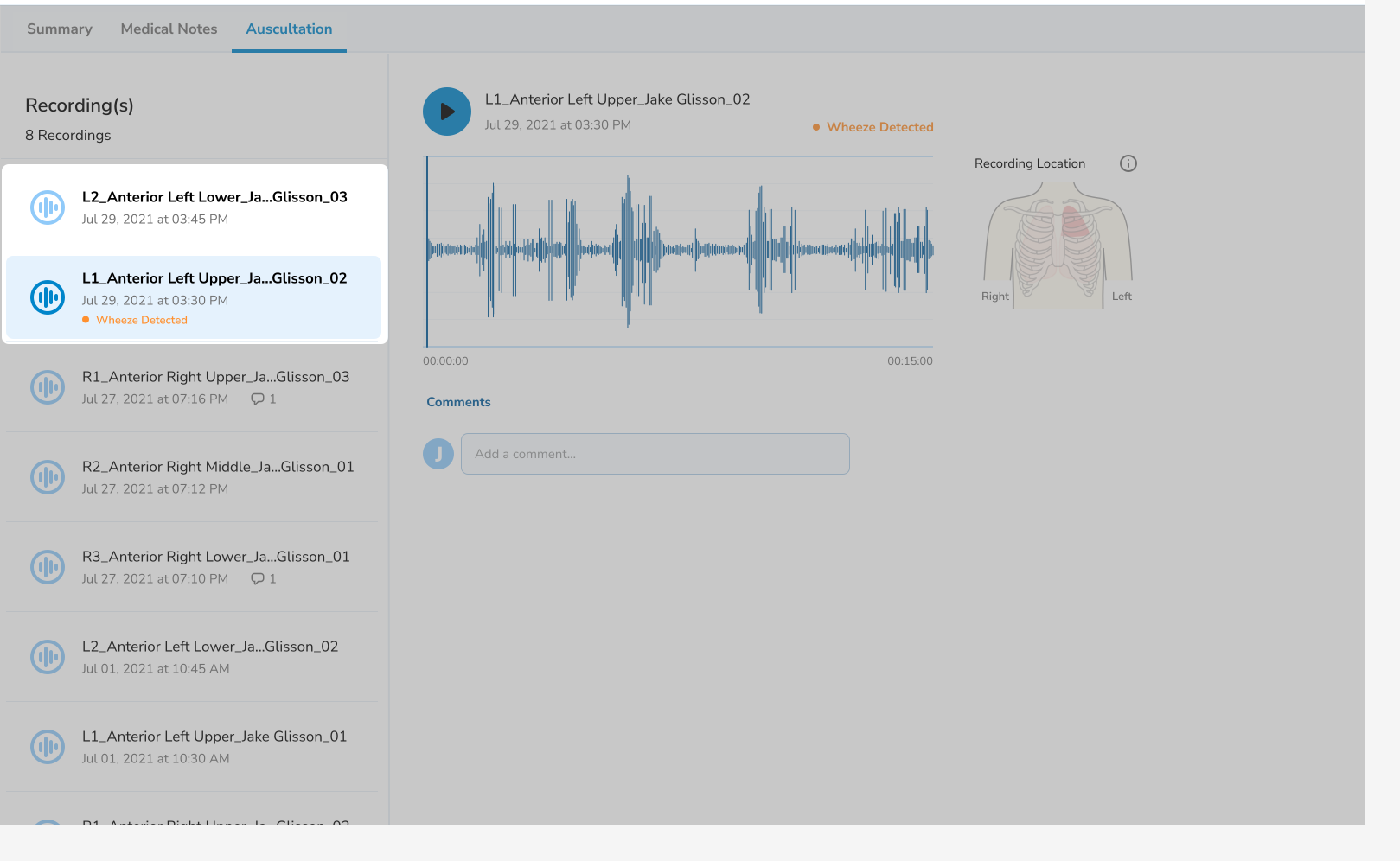
- For the particular patient, go to the Auscultation tab. You will be presented with a list of recordings the patient has shared with you.
- Select a recording to play. For manual recordings, the position on the patient’s chest where the auscultation recording was performed is indicated in the recording name (e.g. Anterior Right Upper_Patient’s Name_01).
- Click on the Play button to playback the auscultation recording. You are recommended to use earphones when listening to the recordings.
Note: AeviceMD may detect wheeze during auscultation recordings. These recordings will indicate “Wheeze Detected” in their overview, to highlight the particular recordings for your attention.
Related Topics:
How do I access my patients' past wheeze recordings?
- Select a particular patient you want to view past wheeze recordings for.
- For the particular patient, go to Auscultation > Automated. (Note: When AeviceMD Sensor detects a wheeze, it will initiate a 15 seconds auscultation recording.)
- Select a recording to play.
- Click on the Play button to playback the auscultation recordings. You are recommended to use earphones when listening to the auscultation recordings.
How do I comment on my patient’s auscultation recording?
- Select the auscultation recording you want to comment on in the Auscultation tab.
- Enter a comment and click Save.
Note: Each comment is a permanent record and cannot be edited or deleted.
What does the orange “Wheeze Detected” marking on the auscultation recording file mean?
An orange "Wheeze Detected" marking highlights the particular recordings with wheeze detected for your attention.
Can I delete the comments on my patient’s remote stethoscope recording?
No, it is not possible to delete comments.
What is the difference between manual and automated recordings?
Auscultation recordings can be manually recorded by the patient, or are automatically initiated when wheeze has been detected from the patient.